

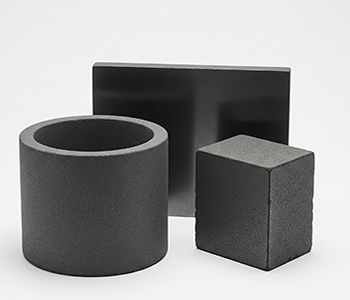
Graphite Melting Crucible
A graphite melting crucible is a container designed for melting and holding various materials, primarily metals, at extremely high temperatures. They’re a cornerstone of the metallurgy and foundry industries due to graphite’s unique properties.
A graphite melting crucible is a container designed for melting and holding various materials, primarily metals, at extremely high temperatures. They’re a cornerstone of the metallurgy and foundry industries due to graphite’s unique properties.
Key Properties
The properties of a graphite crucible that make it ideal for melting applications are a direct result of its material composition and crystalline structure.
- Exceptional Thermal Conductivity: Graphite’s ability to conduct heat efficiently allows for rapid and uniform melting of materials, reducing energy consumption and speeding up the process.
- High-Temperature Resistance: Graphite boasts an incredibly high melting point (over 3,650°C), which means it can withstand temperatures far above the melting points of most metals without deforming or degrading.
- Thermal Shock Resistance: The material has a low coefficient of thermal expansion, allowing it to endure rapid temperature fluctuations without cracking or breaking, which is crucial for repeated heating and cooling cycles.
- Chemical Inertness: A key advantage is its non-reactive nature. Graphite won’t contaminate the molten material, which is essential for maintaining the purity of the final product, especially in the precious metals and semiconductor industries.
- Lubricity: The smooth, non-wetting surface of graphite means molten metals won’t stick to the crucible walls, making pouring easier and reducing material loss.